GREENWICH
203-990-0555
WILTON
203-210-7465
WASHINGTON DEPOT
860-619-0363
NEW MILFORD
860-355-0191
MONROE
203-261-1115

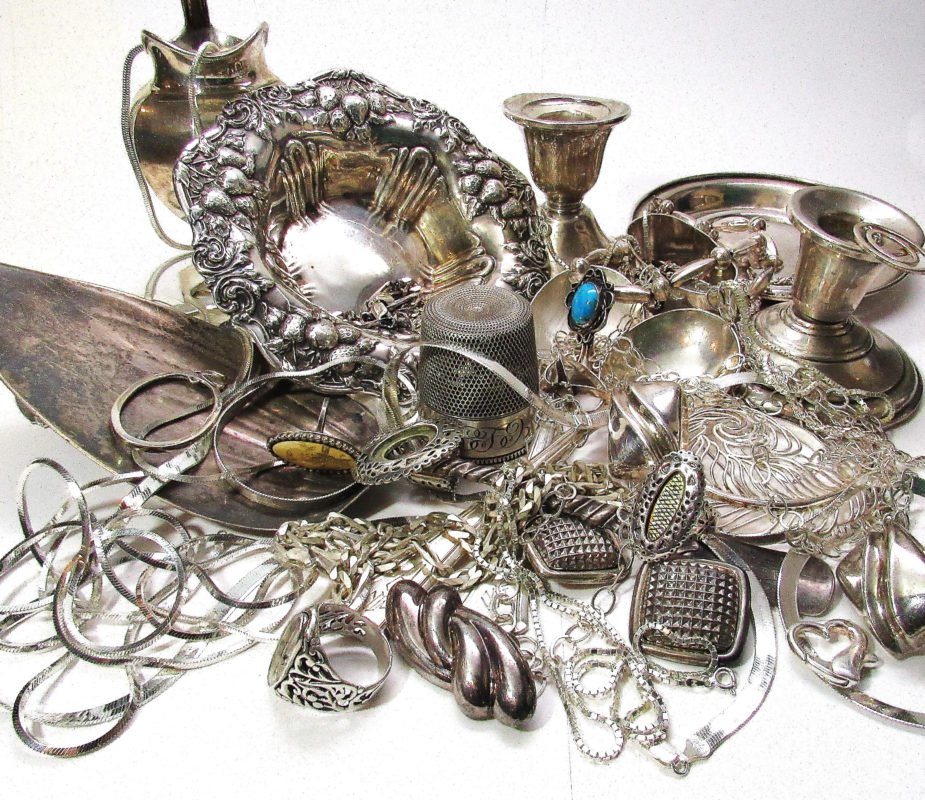
Whether you are looking to sell silver jewelry or need a professional place to sell sterling silverware, you shouldn’t have to deal with the risks of shipping labels or the uncertainty of distant online platforms.
At CT Gold & Silver, we prioritize transparency, security, and face-to-face service by operating five dedicated physical storefronts across Connecticut. Whether you are in Greenwich, Wilton, Washington Depot, New Milford, or Monroe, our experts are ready to provide a professional, free, in-person evaluation for your precious metals, coins, bullion, and more – with no appointment necessary and no obligation to sell.
Stop by any of our convenient locations today for a fair, transparent appraisal and walk out with immediate payment by check. We invite you to visit us in person to join the thousands of customers who have made us their trusted local gold & silver buyer, backed by hundreds of five-star reviews.
We also now offer the option of texting us your inquiry or images of your items. We make every effort to respond as soon as possible within business hours. Text us today!
Silver Flatware
Scrap Silver
Silver Rings
Silver Bracelets
Silver Necklaces
Silver Earrings
Silver Watches
Silver Bullion
Silver Ingots
Silver Bars
Silver Nuggets
Engelhard
Credit Suisse
APMEX
And more!
Silver Coins
Eagles
90% Silver Coins
40% Silver Coins
Casino Tokens
Maple Leafs
"Sterling Silver" is a hallmark of quality meaning the item is 92.5% pure silver. The remaining 7.5% is typically copper or another metal, which adds necessary strength to the piece. There are also English silver marks, which can be very different. Always check with us before you get rid of anything!
Sterling silver is 92.5% pure silver and has significant value, whereas silver-plated items have only a thin coating of silver over a base metal.
Silver-plated items often carry markings like 'EP' (Electro Plated), 'EPNS' (Electro Plated Nickel Silver), 'Quadruple Plate', or just 'Plated'. There are also certain makers who only did silverplated items and not sterling. If you are ever unsure whether an item is sterling or plated, please bring it in for a professional, no-obligation evaluation - we are happy to take a look for you regardless of the condition.
Coin silver is a standard often found in antique silverware or older coins. It is generally 80% - 90% pure silver, meaning it contains slightly less silver than sterling silver but still carries value.
No need! Please don't worry about polishing your silver or silverware. Just bring it as-is, and we'll handle the rest.